Getting to Know Your Groceries
November 5, 2026
By Haley Banwart
By the time your favorite treats or household staples land in your grocery cart, their journey from farm to shelf has been months — or even seasons — in the making.
Food is grown and harvested, handled and stored, and processed and packaged before it ships to a local supermarket or retailer near you. Farmers, processors, truck drivers, grocers and many others work together behind the scenes to ensure quality and freshness along the way.
The Iowa Grocery Industry Association (IGIA) represents businesses across that supply chain, including supermarkets, convenience stores, suppliers, wholesalers, brokers, manufacturers and distributors. Its membership offers a window into the work happening long before shoppers arrive.
“What shoppers may not realize is how much coordination goes into the process of bringing food to grocery store shelves. Businesses are constantly communicating and planning around consumer demand, seasonal availability, transportation, food safety and supply chain challenges,” says Michelle Hurd, IGIA president. “Once products arrive at the store, grocery employees receive deliveries, manage inventory, rotate products to maintain freshness, stock shelves and make sure customers have the selection and quality they expect.”
A closer look at the items in your cart can spark practical questions: Where were they grown or raised? How were they made? Did they come from a nearby farm, or were they made with ingredients from several states or countries? Knowing what clues to look for can help you piece the story together.
 Start With the Package
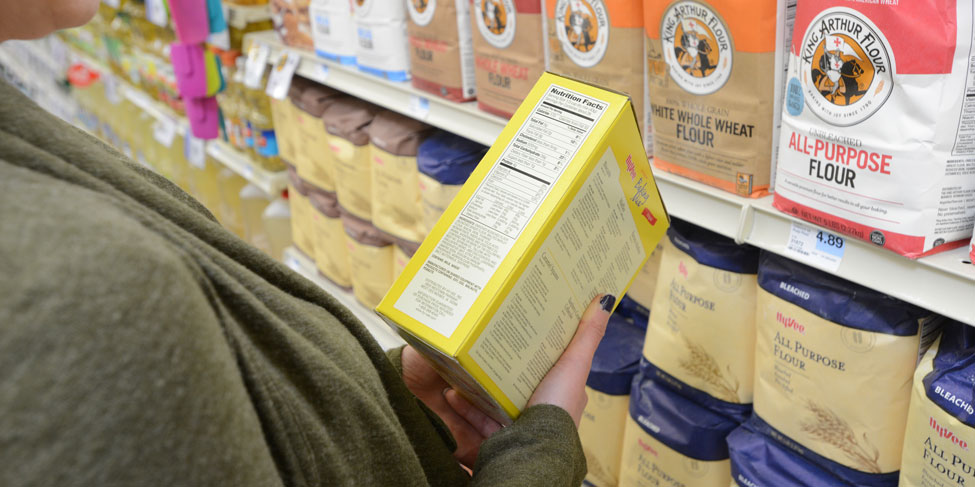
The first clues may already be in your hands. A country-of-origin statement, farm name or description of where a product was grown or raised can offer a starting point. But pay attention to the wording.
“Distributed by,” for instance, identifies a business that helps bring the product to market; it doesn’t necessarily tell you where the food was grown or made.
The ingredient list can help fill in another piece of the puzzle. Ingredients generally appear in descending order by weight, offering a closer look at what goes into a product. While the list may not name a farm or growing region, it can help connect familiar foods to the crops and livestock behind them.
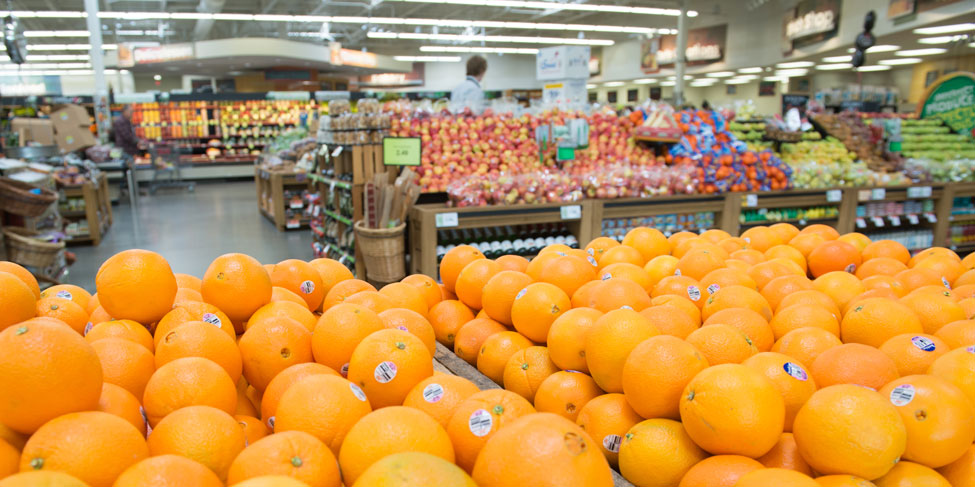
Clues can extend beyond the package, too. Check shelf signs, produce displays and information at the meat counter for sourcing details. If something is missing or unclear, ask a department employee what information is available.
 Why Origin Information Varies
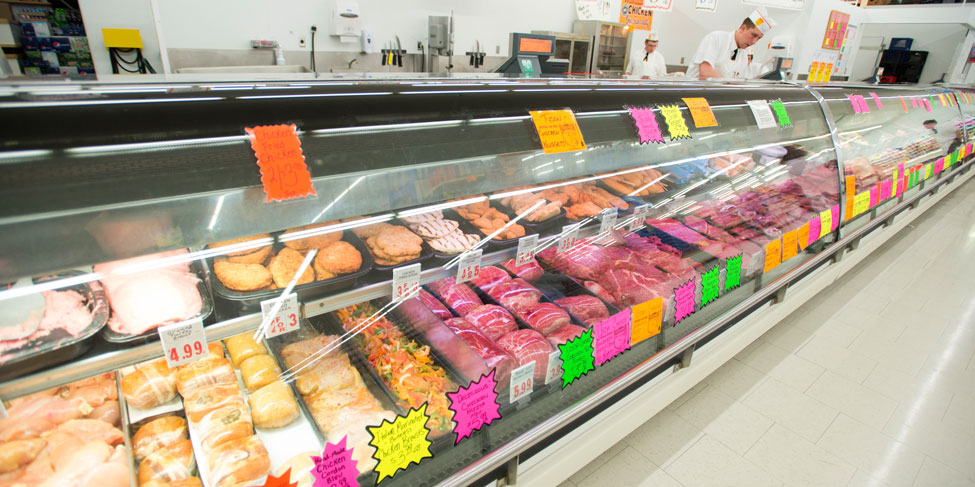
You may notice more origin information on some foods than others. That’s partly because federal labeling requirements differ by product.
The U.S. Department of Agriculture (USDA) oversees the Country of Origin Labeling (COOL) program, which requires covered retailers to identify where certain foods come from, including fresh and frozen fruits and vegetables, fish and shellfish, and chicken.
For shoppers buying beef or pork, one useful distinction is the voluntary “Product of USA” claim. Under a USDA standard effective January 1, 2026, single-ingredient meat products carrying that claim must come from animals born, raised, slaughtered and processed in the United States.
Because the claim is voluntary, its absence does not necessarily mean that a product is imported. If domestic origin matters to you, look for explicit sourcing information or ask for clarification at the meat counter.
 Separate Origin From Production Claims
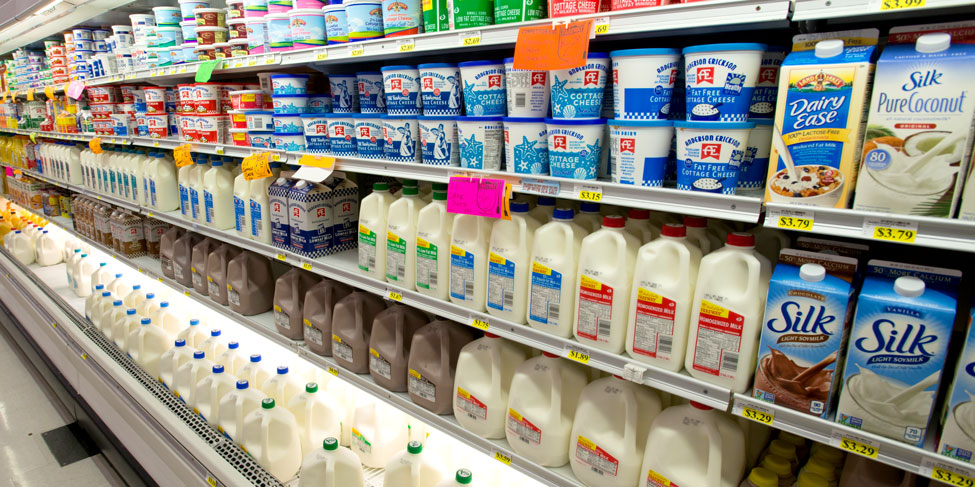
Food labels can answer different questions. An origin statement addresses geography. A production claim describes how a food was grown, raised or processed. One does not necessarily answer the other.
Consider these common examples:
· Organic: The USDA organic seal identifies products meeting federal organic production and handling standards. Products labeled “organic” must contain at least 95% organic ingredients, excluding salt and water.
· Natural: For meat and poultry, the USDA defines this term as containing no artificial ingredients or added color and being minimally processed. It does not mean the product is organic or identify where or how the animal was raised.
· Raised without antibiotics: This means an animal did not receive antibiotics during its life. Like people, animals sometimes need antibiotics to treat illness. Products from treated animals are not eligible for this claim and can enter the food supply only after required withdrawal periods to keep residues within federal safety limits.
Taking a moment to understand these terms can help you look beyond first impressions and recognize different label meanings, rather than treating them as interchangeable. For an unfamiliar certification, look up the organization behind it and the standards it verifies.
 Where to Find an Iowa Connection
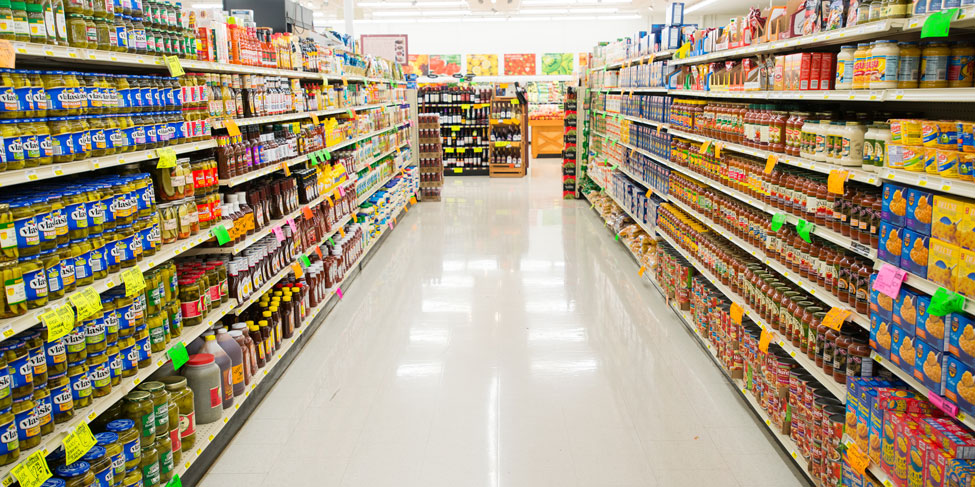
“Iowa, of course, has a strong agricultural foundation. We also have a strong network of grocery stores based right here in the state. IGIA represents chain and independent grocery and convenience stores at more than 1,400 retail locations across every Iowa county,” Hurd explains.
“Our members help bridge the connection between farm and table, working with businesses across the supply chain to bring safe, nutritious and affordable food to consumers and families in communities across Iowa,” she adds.
The state leads the nation in corn, pork and egg production, and ranks among the country’s top producers of soybeans, beef, turkey and dairy.
Most of the corn grown in Iowa is field corn, rather than sweet corn on the cob. Along with soybeans, these crops connect to your grocery cart in less obvious ways. For example, they can be processed into ingredients such as cornstarch, corn oil and soybean oil, or used as feed for the livestock and poultry that produce meat, milk and eggs.
Those connections invite a broader look at the foods you buy. Start with a familiar item and consider the crops, animals and businesses involved in producing it. Its ties to Iowa agriculture may run deeper than the label reveals.
 Keep the Conversation Going
Learning about your food doesn’t have to end with the information you find on your own. The clues you uncover can lead to conversations that fill in the gaps.
“One of the best places to start is right at your local grocery store. Connect with your local grocery store owner or manager,” Hurd advises. “These individuals are dedicated to providing a great place to shop and are generally more than willing to answer questions about the products they carry, where they come from, and what they're doing to serve their community.”
A brand's website or package QR code may offer more details about its suppliers or how a product is made. For help understanding labeling terms or production practices, turn to USDA and Food and Drug Administration resources, university extension programs or agricultural organizations with expertise in the topic.
On your next grocery trip, give familiar food a second look. A detail on the package or a conversation at the counter could reveal a connection you hadn’t considered — and bring you a little closer to the people and partnerships behind your next meal.