Rooted in Tradition, Growing For the Future
May 12, 2026
By Kriss Nelson
Just outside of Odebolt in northwest Iowa, the Prairie Pedlar is a family-owned garden destination where visitors can wander through display gardens, shop for plants and take in a setting shaped by both history and creativity.
Owners Jack and Jane Hogue have spent decades building the Prairie Pedlar into a place that combines greenhouses, landscaping and an event space into a quiet country experience. Today, the property includes more than seven acres of gardens, dozens of themed plantings, six greenhouses and restored buildings that reflect Iowa’s countryside past.
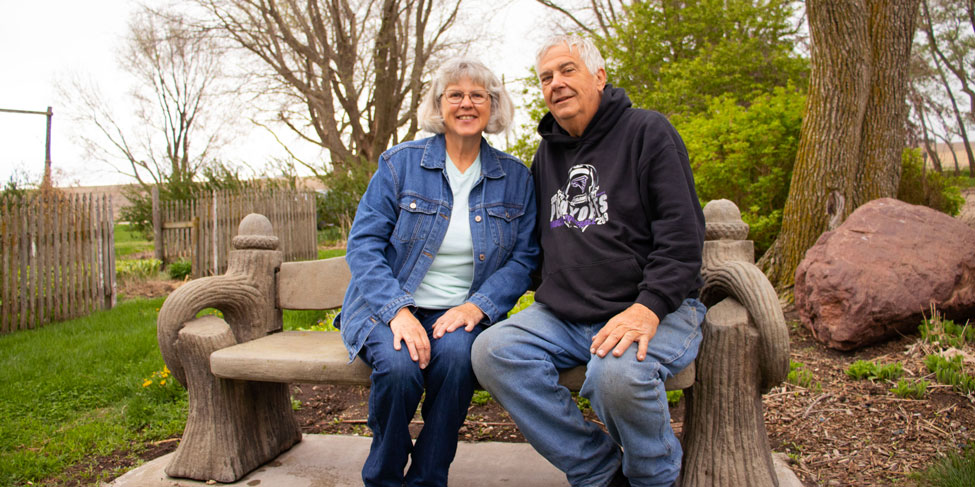 Jane’s approach to the business is rooted in creativity as much as it is in agriculture.
“I was an art major,” she says. “So, I guess I just chose the outdoors as my palette.”
That perspective shows up across the property, from the layout of the gardens to the combinations of plants and containers throughout the season.
The past stretches back more than a century.
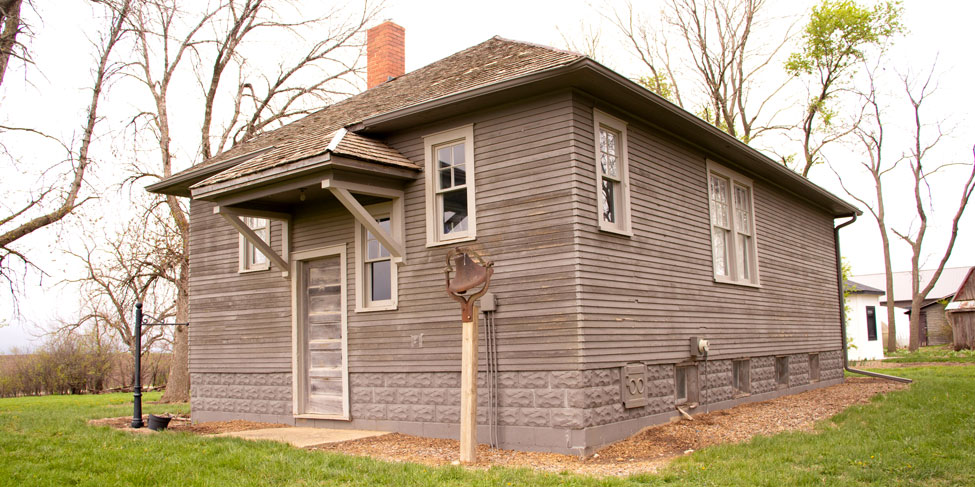
“This was part of Cook Ranch, one of the biggest ranches in Iowa at that time,” Jane says. “The schoolhouse was built in 1902. All the farm tenant’s kids came here.”
The one-room schoolhouse, known as Cook No. 8, still stands on the property, a reminder of the families who once lived on and worked the land. Over time, the ranch, which sprawled across nearly 7,000 acres, fell into disrepair, and the buildings faded, but pieces of history remain.
 Finding a Place to Grow
The Prairie Pedlar began off that storied land.
Jane and Jack first started their business in their backyard, growing and drying flowers for arrangements.
“We were there for 10 years, but we outgrew it,” she says.
At the same time, they had their eye on the property just down the road from their home. An elderly man had lived there his entire life, but in later years, the land became difficult to maintain.
“When he passed, the land went into a trust,” Jane says. “But we were still able to buy the acreage.”
What they purchased needed work.
“It was full of thistle, and buildings were falling,” she says. “The house wasn’t salvageable.”
The Hogues began cleaning up the property, tearing down what could not be saved and restoring what they could. They also relocated buildings from nearby farms, giving new life to structures that might otherwise have been lost.
“I guess they knew we were suckers,” Jane says. “They’d call and say, ‘You can have it if you move it.’”
They eventually moved their business to the site in the late 1990s and have been there ever since.
 From Flowers to Gatherings
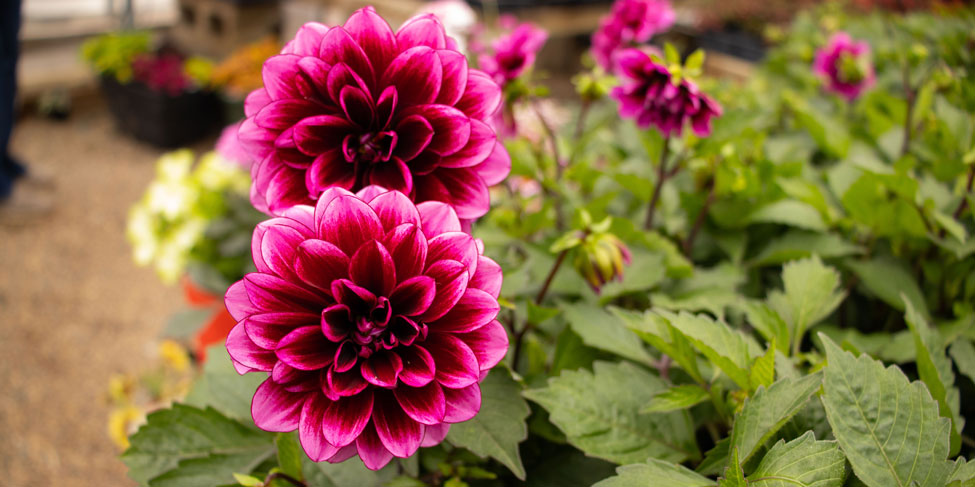
In the early years, the Prairie Pedlar focused on dried flowers, with rows of fresh blooms harvested and sold for arrangements.
But, as their children grew older and left home, the business shifted.
“When the kids left, we lost our workforce,” Jane says, “So we switched gears.”
That shift led them to host events, including weddings, which are a natural fit for the setting they had created. Over the years, the Prairie Pedlar has hosted hundreds of ceremonies, with some seasons booked nearly every weekend.
“There were years we had a wedding every Saturday from June through September,” Jane says.
Today, weddings remain a part of the business, though at a slower pace.
The setting itself plays a big role. The refurbished country schoolhouse now serves as a bridal suite, complete with a restroom and a small kitchen, while a renovated chicken coop has been transformed into a space for the groom and his party. A restored 1930s Sears bow-truss barn is used for ceremonies and receptions.
Jack notes the industry has changed since they started.
“When we began, there weren’t many outdoor venues around here,” he says. “Now there are a lot more.”
 A Place to Learn and Return
While events are part of the Prairie Pedlar, plants remain at its core.
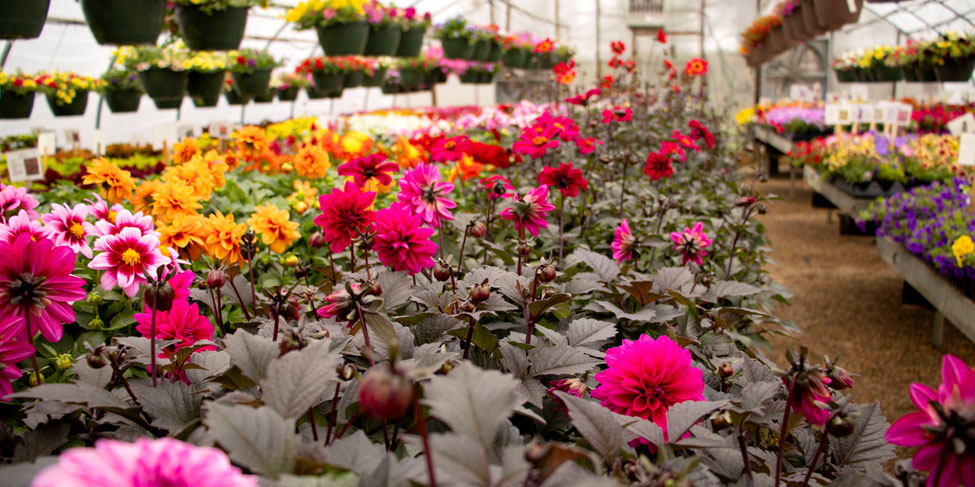
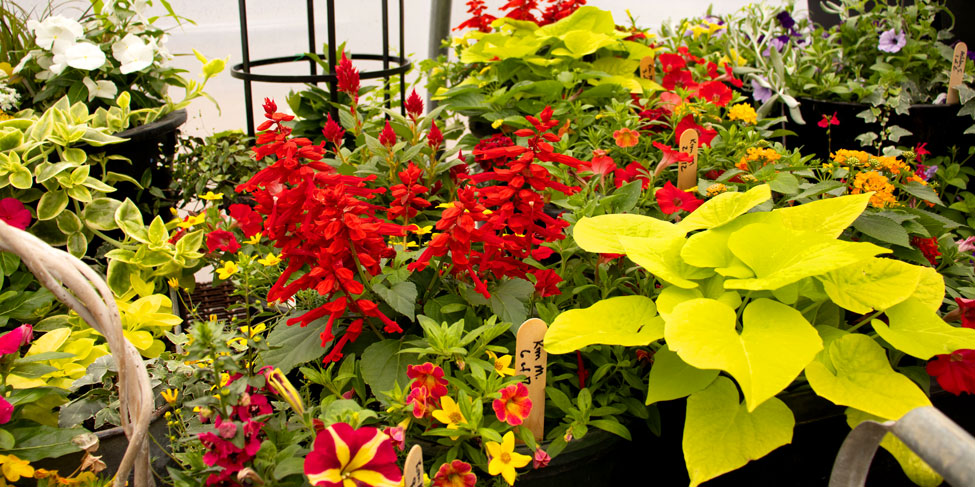
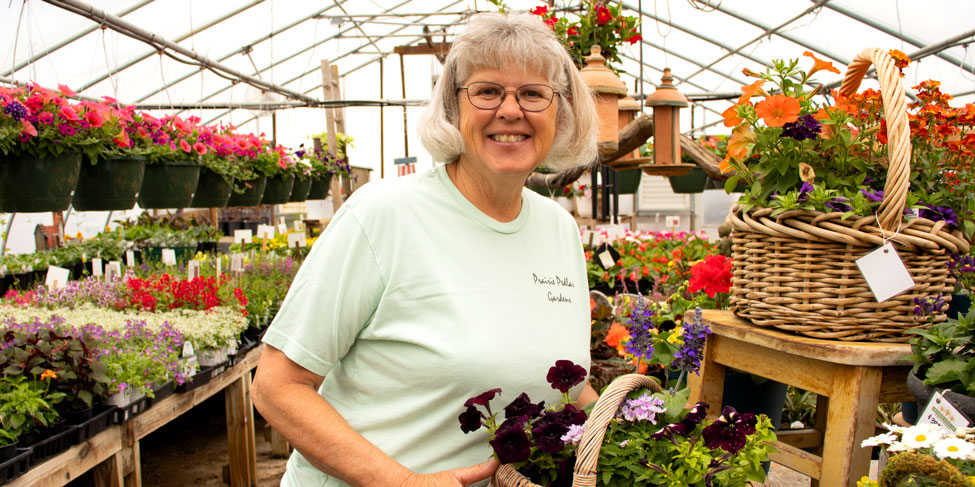
The Hogues operate six greenhouses and offer a wide range of annuals, vegetables and specialty plants. They also host seasonal events, including “lunch and learn” gatherings where visitors can pick up gardening tips while spending time on the grounds.
The gardens themselves serve as inspiration, with more than a place to shop. It is a place to return.
The property is a popular backdrop for family and senior photos, with families coming back year after year as their families and the gardens grow.
“Part of it is just a day in the country,” Jane says. “People don’t always get that quiet, peaceful environment anymore.”
 A Family Effort
Through every change, one thing has remained constant: family.
“That was always important to us,” Jane says. “Our parents helped us, our kids worked with their grandparents, and now we get to work with our grandkids.”
“We’re bringing in the third generation now,” Jane says.
Near the barn, a bench now stands in memory of Jane’s father, set in the same place where he would sit and quietly reflect after a day’s work.
Their daughter, a horticulture major, helps manage plant production and runs an on-site wholesale operation. Other family members pitch in as needed, whether in the greenhouse or during busy seasons.
 Why It still matters
Even in uncertain times, Jane says people continue to find value in plants.
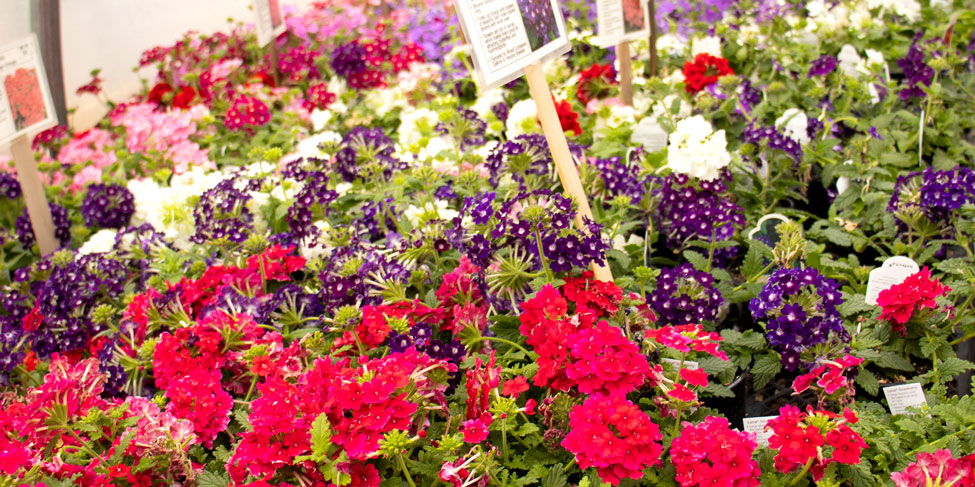
“People may not be able to afford a vacation, but they’ll still buy a pot of flowers,” she says. “They make you happy.”
Jack sees it in simple terms with an added joke.
“Flowers really do make people happy. Studies show that,” he says. “And we need more people to be happy, because six of the seven dwarves weren’t.”
Jokes aside, this is what the Hogues see every day. People slow down, walk the gardens and find a little joy in something simple.
After more than 40 years in business, Jane says there is still plenty to learn. Weather, markets and customer needs continue to change, but the foundation they have built remains steady.
“Every year is new,” she says. “You think you’ve figured it out, and then you realize you haven’t.”
For the Hogues, the Prairie Pedlar has always been about more than plants.
“Gardens are meant to be shared,” she says.